
Gene Therapy and the Future of Genetic Research: How Science Is Shaping Our Everyday Lives
Among the most exciting questions of science is this: how far can the hand of humanity reach in shaping its own fate? Gene therapy and genetic research are today opening doors that, only a few decades ago, we could find examples of only on the pages of science-fiction novels. Humanity has long sought to decipher what is encoded in every single cell of our bodies. Now, however, we not only understand this code — we are also capable of writing it. This ability brings revolutionary consequences with it, and may transform our daily lives to the same extent as agriculture or the industrial revolution did in their time.
Imagine a future in which prenatal genetic tests make it possible for children not only to be healthy, but to receive an optimized set of genes for a long and productive life. Or think of today, when genetic-based medicine is already able to halt certain hereditary diseases, and soon, perhaps, we may even fully defeat cancer. But what price will we pay for all of this? And does this road truly lead to humanity's happiness?
As with all new technologies, gene editing too raises questions that are difficult to answer unambiguously. CRISPR technology, for instance, is not merely a scientific tool, but the very key to reshaping life itself. In our article we will not only explore how this technology works, but also examine how it is changing healthcare, society, and our everyday lives. The future is already here — but are we ready for it?
The Foundations of Gene Therapy and Where We Stand Today
The concept of gene therapy may sound complicated at first hearing, but it is in fact based on a fascinatingly simple idea: what if, rather than merely treating diseases, we were to eliminate the underlying causes as well? Traditional medicine most often focuses on symptoms. We alleviate pain, reduce inflammation, treat infections with antibiotics. Gene therapy, on the other hand, says: "Why not step up to a higher level? Why not correct the human DNA itself, where the problem is rooted?"
What is gene therapy?
The essence of gene therapy is to make targeted modifications to the genetic code in our cells — that precise set of instructions which determines how our body works. This intervention can take place in two ways:
- "Repairing" a faulty gene: replacing or restoring the disease-causing gene segment.
- Inserting a new gene: adding genetic material that helps the body overcome the disease.
These procedures offer revolutionary possibilities in the treatment of hereditary diseases, such as cystic fibrosis or Duchenne muscular dystrophy. Whereas in the past these illnesses were fatal or severely limiting, gene therapy holds out the promise that recovery may become a realistic goal.
The first successes
The first successful gene therapy intervention was of historic significance. In 1990, an American girl named Ashanti DeSilva became the first patient in whom a gene therapy treatment halted an immune-system disorder. Although the procedure was still experimental at the time, it clearly demonstrated that the technology worked.
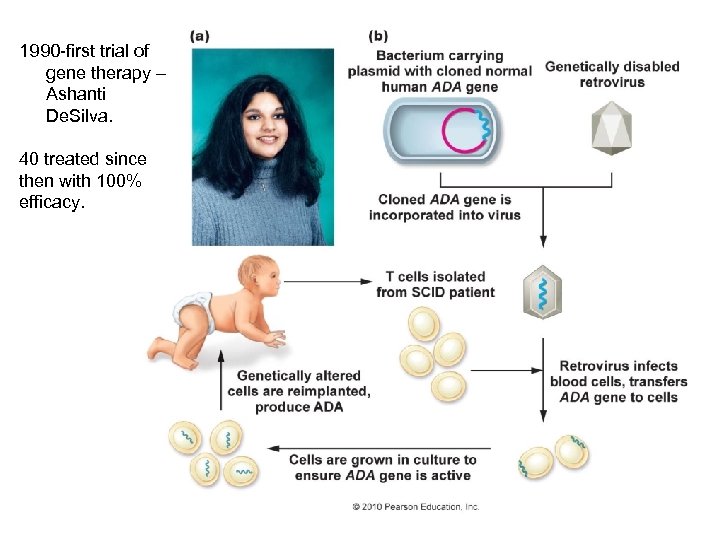
Since then, enormous progress has been made. Rare diseases such as spinal muscular atrophy (SMA), which were previously incurable, can now be treated with gene therapy solutions. Zolgensma, the therapy developed to treat SMA, for example, is able to halt the progression of the disease with a single injection — this cure is admittedly expensive, but it has transformed the outlook for the condition.
Where do we stand today?
The gene therapy market is expanding at a rapid pace. Researchers are currently working on gene therapy solutions for more than 200 diseases, including hereditary disorders, heart conditions, and certain cancers. Revolutionary technologies such as CRISPR make it possible for gene modification to be more precise and more broadly applicable.
One of the greatest challenges for the industry, however, is reducing costs. Some treatments — such as the aforementioned Zolgensma — cost several million dollars, and so are not accessible to every patient. At the same time, with the development of the technology, these costs are expected to decrease significantly over the coming decade.
Why is this a revolution?
Gene therapy is reshaping not only medicine, but also our image of human life. It points the way toward a world in which hereditary diseases may disappear, where our genetic makeup is not an unchangeable destiny but a "code" that can be shaped. This branch of science has crossed boundaries of nature previously thought inviolable — and in doing so, it is rethinking not only the way diseases are cured, but also the very definition of human existence.
The Role of Genetic Research in Everyday Life
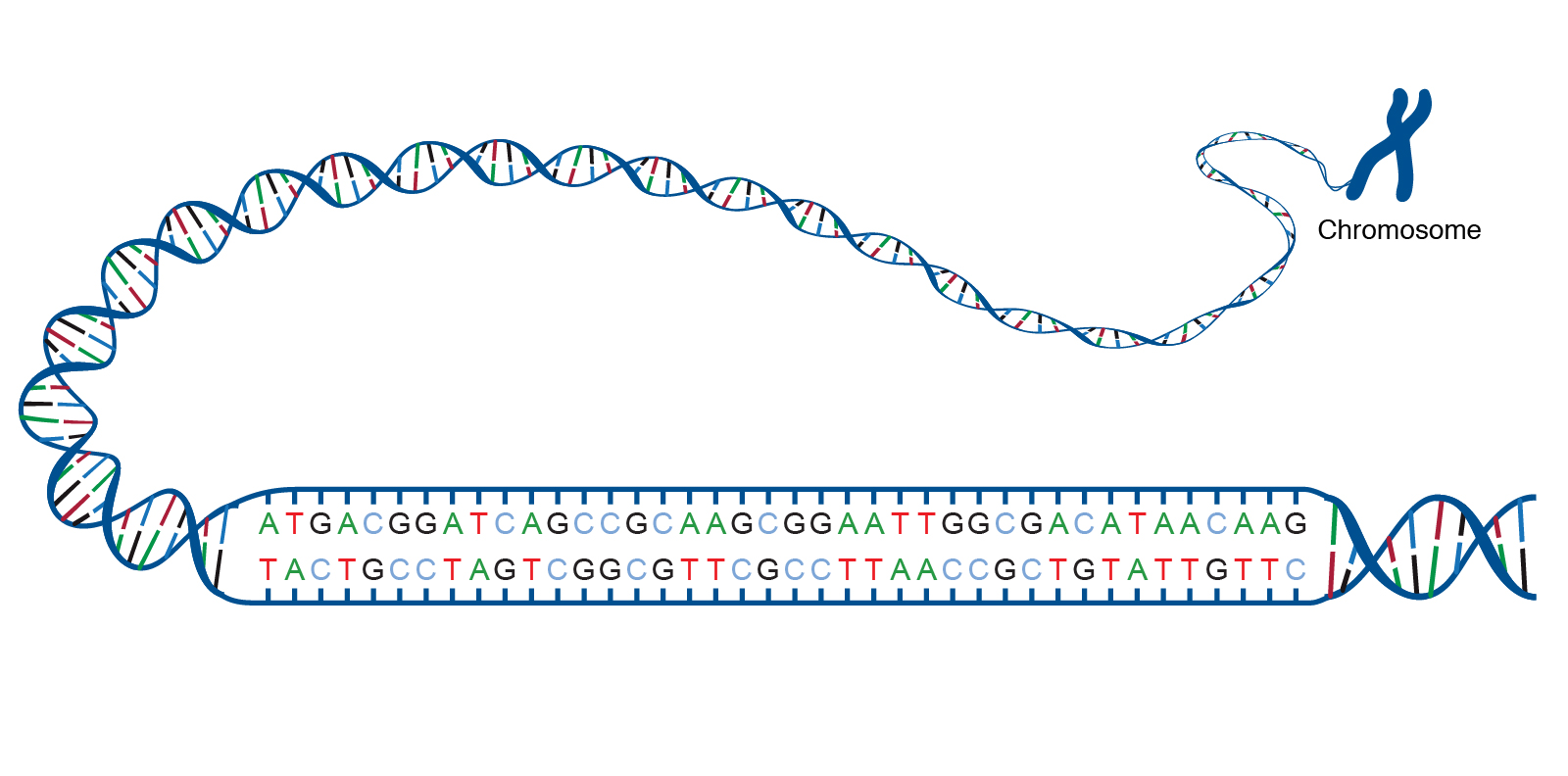
Genetic research has undergone incredible development in recent decades, and today it no longer exists only behind the closed walls of laboratories. It has become part of our daily lives, and is shaping the world in ways we may not even notice. Our DNA — this code consisting of just four letters, A, T, G, C — forms the basis of our entire life. The fact that we now understand this code precisely has opened up possibilities that can improve the quality of healthcare, extend our lives, and help us be healthier.
The age of personalized medicine
Imagine that a doctor does not prescribe general medications, but ones specifically suited to your genetic profile. This is no longer the future, but the reality of the present. Personalized medicine is one of the most striking achievements of genetic research. Oncology, for example, already frequently makes use of the analysis of genetic mutations found in a patient's tumors in order to offer targeted therapy.
For instance, trastuzumab (Herceptin), used in the treatment of HER2-positive breast cancer, is a genetically targeted drug that revolutionized cancer treatment. Thanks to genetic research, therapies have become available to patients that are not only more effective but also bring fewer side effects than traditional treatments.
The prevention of disease
Genetic tests make it possible to recognize a predisposition to certain diseases long before they appear. This is especially important in cases such as the detection of mutations in the BRCA1 and BRCA2 genes, which can significantly increase the risk of breast and ovarian cancer. On the basis of such tests, patients can make changes to their lifestyle, take part in regular screening examinations, or even choose preventive surgery.
But genetics-based prevention is not only useful in cases of cancer. The risk of cardiovascular diseases, diabetes, or even rare metabolic disorders can also be assessed through genetic testing. This means that medicine can increasingly focus on prevention, rather than on the treatment of diseases that have already developed.
Fine-tuning the diet
So-called nutrigenomics — the study of the relationship between diet and the genetic profile — has also gained tremendous momentum in recent years. This field examines how certain foods affect our genes, and conversely, how our genes influence the way we digest or process various foods.
Imagine that, based on their genes, someone learns that they are prone to lactose intolerance, or that because of certain genes they are at greater risk of obesity. With this knowledge, they can put together a diet that helps prevent these problems from arising. This not only results in a healthier lifestyle, but also opens up a new level of control over our own well-being.
CRISPR — The Revolution of Gene Editing
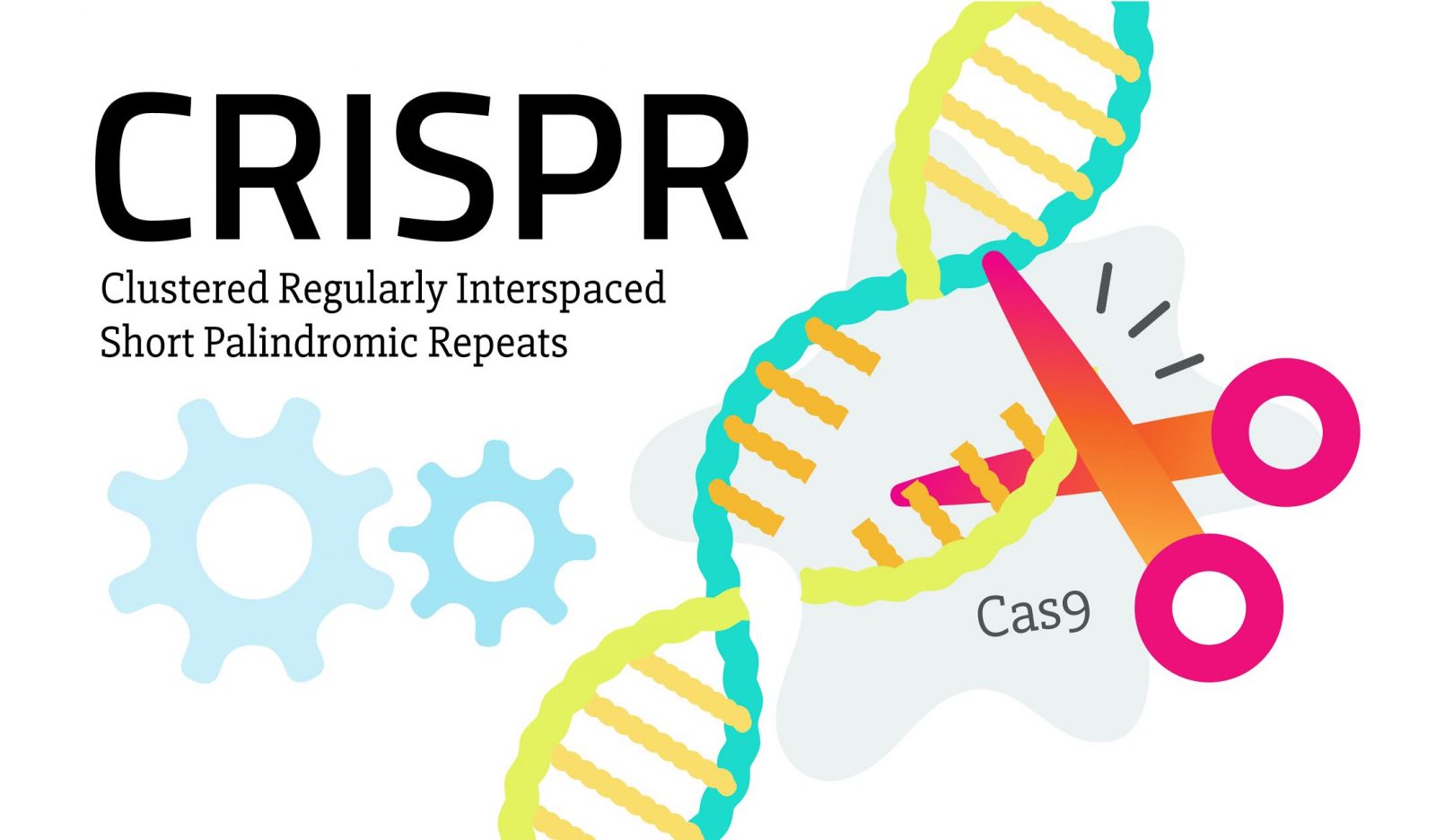
When humans first looked at DNA under a microscope, they probably did not think that one day they would be able to alter the building blocks of life themselves. Today, this is exactly where we stand. CRISPR — Clustered Regularly Interspaced Short Palindromic Repeats — is not merely a tool in the hands of scientific researchers; it is the very key to reshaping life itself. Think of it as a digital word processor that allows us to correct errors in a document. The only difference is that here we are not dealing with letters, but with the code of life itself.
How does CRISPR work?
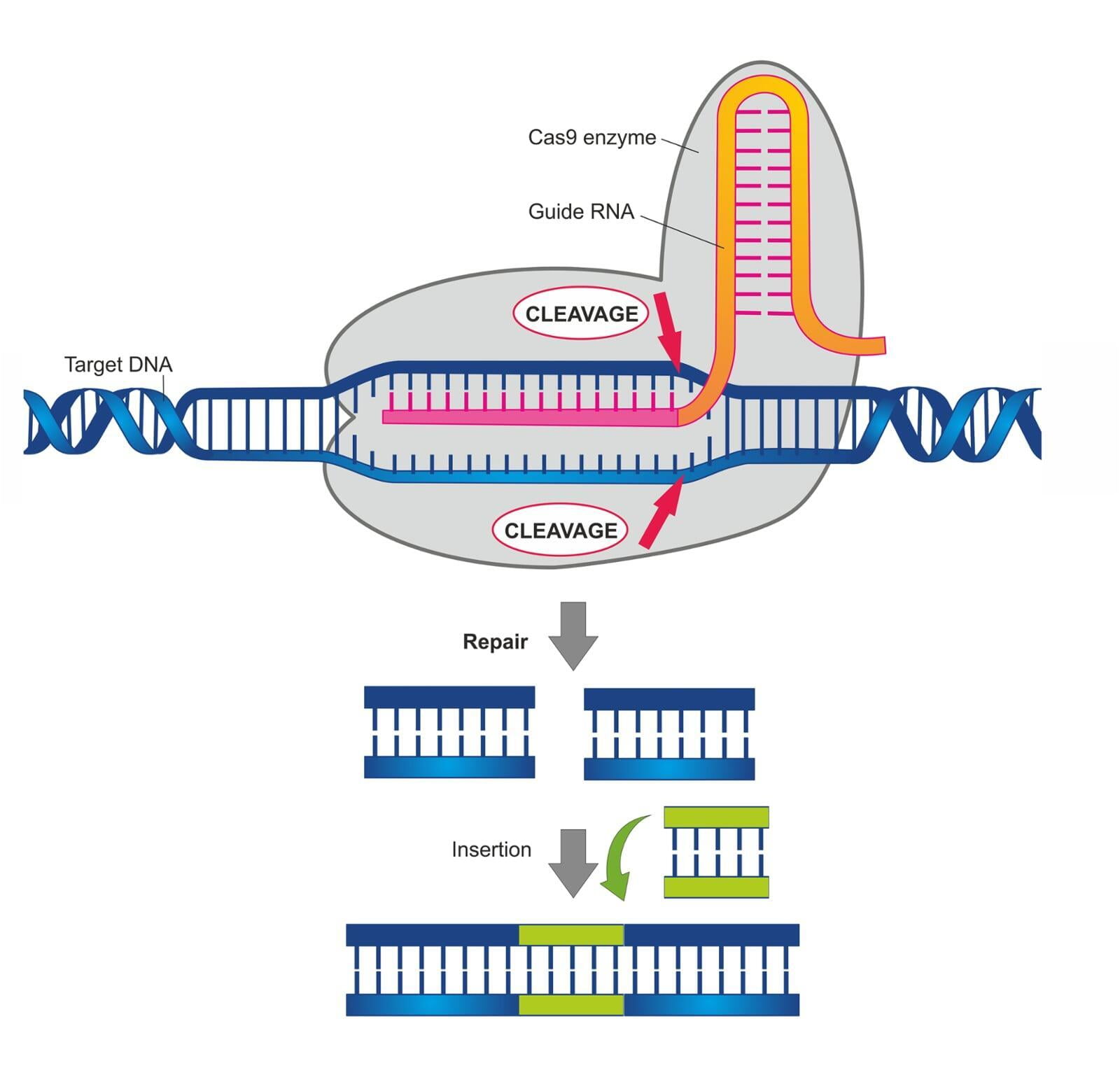
Imagine that DNA is an enormous library, where each book contains the genetic information of a living organism. CRISPR is like a special librarian in this library, who knows exactly where to find a faulty sentence in any given book, and is able to replace or delete it. But how does it do this?
- Selecting the target: First, the researchers determine which segment of the DNA needs to be modified. This may be a faulty gene that causes a disease, or a segment that we wish to equip with a new function.
- The role of the Cas9 protein: One of the main components of CRISPR, Cas9, like a precise pair of scissors, cuts the DNA strand at exactly the designated spot.
- Repair or insertion of a new code: Once the DNA is "open," the cell's natural repair mechanisms come into play. At this point the researchers can insert the desired genetic segment, or remove the faulty part.
Why is CRISPR revolutionary?
CRISPR is unique in that it is at once precise, cost-effective, and versatile. In the past, a genetic modification consumed long years and millions of dollars. With the appearance of CRISPR, researchers can carry out such interventions in a matter of weeks, at a fraction of the cost. And perhaps even more importantly: with a precision that allows us to change only what is necessary, without affecting other genes.
This technology has already found application in many fields:
- Medicine: the treatment of rare genetic diseases, such as sickle cell anemia or Duchenne muscular dystrophy.
- Agriculture: the production of more resilient and more nutritious plants. Think, for example, of drought-tolerant wheat, which can help alleviate food crises.
- Biotechnology: the creation of new microorganisms that, for example, break down plastic waste or produce biofuel.
Reshaping life: dream or reality?
The emergence of CRISPR is not merely a scientific breakthrough; it is a dividing line in human history. Just as the invention of writing made it possible for humanity to record and preserve its knowledge, CRISPR offers the opportunity not only to learn from nature, but also to shape it. This is at once frightening and exciting.
Imagine a future in which genetic faults are corrected before birth. A world in which cancer does not need to be treated, because it simply does not develop. A world in which our plants, our animals, and even we ourselves can be shaped according to our own needs. CRISPR is not merely a technology — it is humanity's tool to rewrite the great book of life. But are we ready to use this tool responsibly? We stand before perhaps the greatest question in human history: what does it mean to be human in a world where anything is possible?
The Possibilities of the Future
Genetic research and gene editing are opening up not only new therapeutic possibilities, but are also redefining the future of humanity itself. Imagine a world in which diseases can not only be treated, but also prevented. Where the length and quality of human life no longer depends on the random play of nature, but on scientific design. But are we ready for such a radically transformed world? The future of genetic research will not be decided only within the walls of laboratories — it will fundamentally change all of our lives.
Halting cancer and aging
Humanity has for many centuries sought to solve the mystery of cancer and the secret of aging. Thanks to genetic research, we are coming ever closer to these goals.
Imagine that cancer is no longer a fatal diagnosis, but a simple error in the DNA that can be corrected. With CRISPR technology, researchers are already able to identify and remove the mutations that lead to the development of tumors. This is not only a revolution in cancer treatment, but also the promise that we may not even have to experience the disease at all.
Slowing aging is another exciting field. Genetic research is uncovering how the "biological clocks" in our cells work. What would happen if we were able to "turn back" this clock? Aging would no longer be an inevitable reality, but a manageable process. We can imagine a future in which a long life is not an existence marked by compromise, but the continuation of an active, productive, and healthy life.
Regenerative medicine
Regenerative medicine promises the "redesign" of the human body. Technologies such as gene editing make it possible not only to heal damaged organs, but to rebuild them entirely. Imagine that the place of a limb lost in an accident is filled by a new, perfectly functioning body part built from our own cells. Or think of the people waiting for a heart transplant: why would they wait, if we were able to grow a new heart from their own cells?
Neural regeneration also stands on the threshold of a revolutionary breakthrough. Injuries to the spinal cord, which today still cause paralysis, may become reversible in the future. Alzheimer's disease or Parkinson's disease may no longer be a fatal verdict, but rather a problem that can be treated and prevented.
Why is it important that we prepare?
As genetic research becomes more and more broadly applicable, so does it become part of our everyday lives. But this future does not lie in the hands of scientists alone. How — and for what purposes — we use this technology is the shared responsibility of all of humanity. Science is never merely a tool — it is also always a mirror, one that shows us who we are and what we may become.
The future of genetic research raises the most exciting questions: how far can humanity's hand reach in reshaping the foundations of life? And will we be the ones who shape the future, or will the future shape us? The answer lies in the gene revolution that is now beginning.
How Is Science Changing Our Everyday Lives?
As genetic research becomes ever more refined, and gene therapy becomes increasingly accessible, these technologies are becoming part of our daily lives. We will feel their effects in doctor's offices, in workplaces, and even in our own kitchens. Science is reshaping not only the length and quality of our lives, but also the way we see ourselves and the world around us.
A revolution in healthcare systems
The healthcare systems of the future will operate in a personalized way. There will be no need for lengthy experimentation with medications, since on the basis of our genetic profile, doctors will be able to know immediately what works best for us.
Imagine that we identify every disease with a unique code, and tailor the treatments accordingly. Annual screening examinations will not only uncover existing problems, but also predict future risks. Health insurance systems will also be transformed: based on genetic information, more accurate and fairer insurance premiums can be set.
But perhaps the most interesting thing will be that healthcare will no longer be organized around disease, but will focus on preserving health. On the basis of genetic data, a lifelong healthcare plan can be drawn up, one that helps prevent problems before they ever arise.
In the shadow of social change
Genetic research is fundamentally transforming not only healthcare, but society itself. It will become conceivable that a workplace aptitude test will measure not only our experience and skills, but also what genetic predispositions we have. Or think of the new dimensions of family planning: parents will not only be able to dream that their children will be healthy, but, through genetic technologies, also ensure it.
In every area of life, new norms may appear. The question of personal responsibility, of social inequalities, and the problems of data protection will all be cast in a new light. Genetic information is not only an individual matter, but one that concerns the community as a whole. How we handle this information will largely determine what kind of society we live in.
The Symphony of the Future
Genetic research and gene editing are placing in humanity's hands tools with which we can rewrite the script of life. But these tools bring not only power, but also responsibility. Imagine that we are standing as the conductor of an orchestra, where every single instrument is a piece of the genetic code. The question is: what symphony do we wish to play?
As has always been the case in human history, it is up to us whether we put new technologies in the service of progress or of destruction. Gene editing shapes not only the future, but also the way we see ourselves. Will we remain mere mortals, or will we create our own image of divinity?
Science does not give us final answers, only possibilities. The greatest gift of genetic research may not even be health or a long life, but the fact that we are forced to rethink the limits of human existence. The question is no longer what we are able to do, but who we are and what we may become. The code for humanity's future is here in our hands. The decision is ours.