
The History of Genetic Research: From the Discovery of DNA to the Present Day
Through genetic research, humanity has done something unprecedented in the history of evolution: it has not only observed, but has sought to understand and shape itself at the most fundamental level. With the discovery of DNA and the advancement of genetic research, we have uncovered the workings of the molecules that form the basis of life, thereby gaining insight into our own deepest origins. For the first time in human history, we have become capable of intervening in our own genetic material — the code that has been shaped over millions of years, and that carries the genetic heritage of every human, plant, and animal. Yet as the secrets of DNA gradually unfold before us, questions also arise that cast an ever sharper light on the fragility of human existence, and indeed, on our own limits.
This new level of science may be capable not only of transforming human health, but also of altering the fundamental order of nature. For the first time, humanity is beginning to understand the consequences of taking its evolutionary future into its own hands. The question, however, is this: are we prepared to understand and responsibly handle this power? Because with the unveiling of DNA, not only has a new scientific era begun, but also a philosophical one — an era in which we must confront our own limits and decide what role we wish to play in shaping our own genetic heritage.

The Early Years: Genetic Foundations and the Work of Mendel
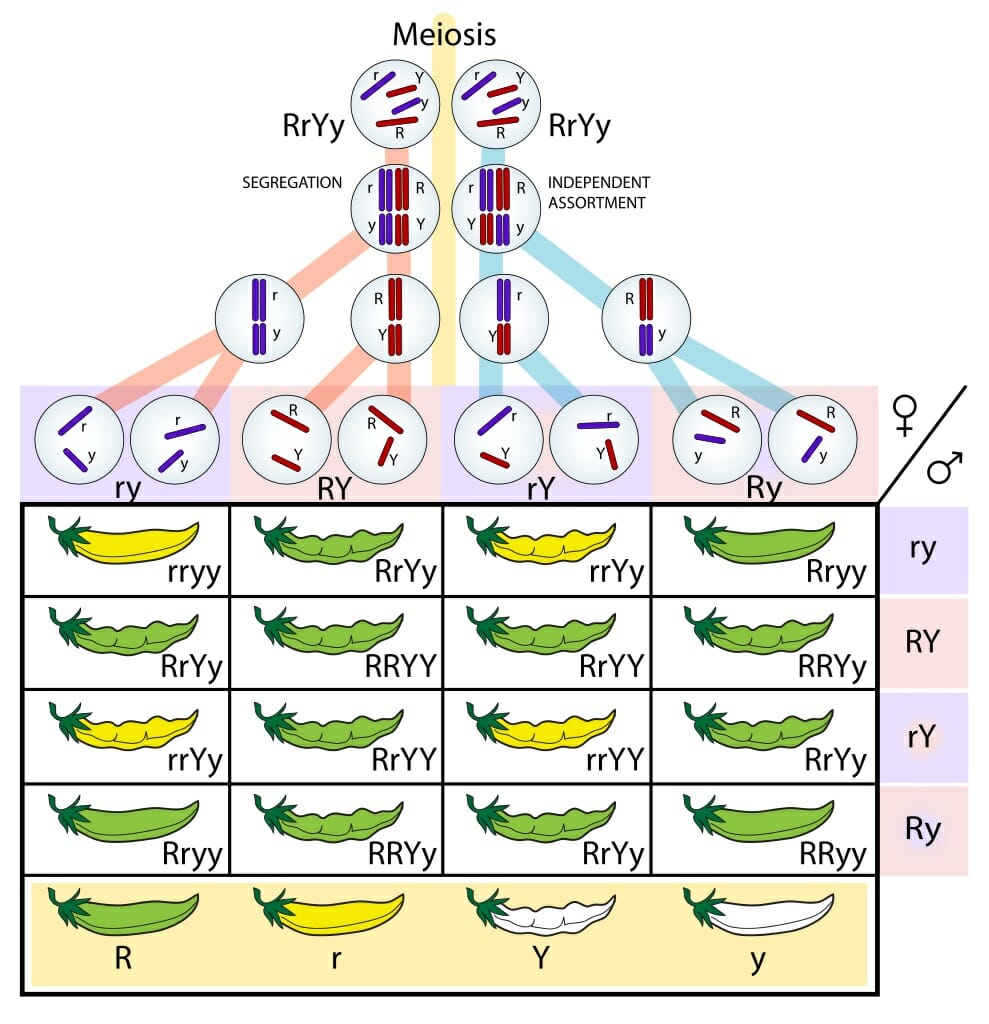
The history of genetic research did not begin with the discovery of DNA, but much earlier, when people only suspected that traits were inherited in some form. In the mid-1800s, an Austrian monk, Gregor Mendel, laid the foundations of genetics by recognizing the regularities of trait inheritance through his experiments on pea plants. Mendel's research initially went unnoticed, since the biological foundations of heredity were not yet fully understood in his era. At his time, it was merely an idea within the scientific community that parental traits were passed on to offspring as some kind of "hidden message."
Through his experiments, Mendel realized that certain traits of pea plants — such as color or seed shape — were inherited in regular, predictable patterns. He observed that these traits appeared in successive generations in a calculable manner, as if guided by some kind of "code." The discovery of "dominant" and "recessive" patterns of inheritance — according to which some traits appear more strongly while others appear only under certain conditions — represented a scientific breakthrough that has remained the foundation of genetics ever since. The results of Mendel's work are known today as Mendel's Laws, which formulated the first set of rules for genetic inheritance.
Although Mendel's work did not gain immediate recognition in his own time, it was rediscovered in the early 20th century and its significance acknowledged, thereby establishing the foundations of modern genetic science. Without Mendel, we would not understand today how the genetic code works, and perhaps the discovery of the structure of DNA itself would have been delayed. His research first proved that the traits of living organisms are inherited according to defined rules, and this insight ultimately marked the beginning of our understanding of human genetic inheritance.
The Discovery of the Structure of DNA: Watson and Crick
The discovery of the structure of DNA was one of the most important scientific breakthroughs of the 20th century, completely transforming our understanding of how life works. In the early 1950s, geneticists already knew that DNA (deoxyribonucleic acid) was the carrier of genetic information, but its exact structure and function had not yet been uncovered. The scientists' goal was to decipher how information is stored and inherited within the DNA molecule. This discovery opened up new horizons not only for biology, but for many other scientific fields as well.
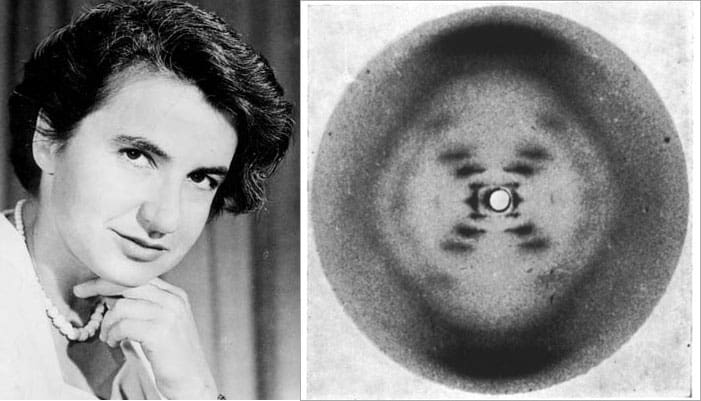
Before the legendary Watson and Crick, I would particularly like to highlight the exceptionally important role of Rosalind Franklin in this research race, who studied the DNA molecule using X-ray diffraction techniques and produced extraordinarily sharp images of it. One of the best-known of these is "Photograph 51," which provided one of the first pieces of evidence for the double helix structure of DNA. Franklin's work was of fundamental importance, since the analysis of the X-ray diffraction images made it possible to map the precise structure of DNA. The images made it clear that DNA is not a randomly organized molecule, but one with a defined, repeating structure.
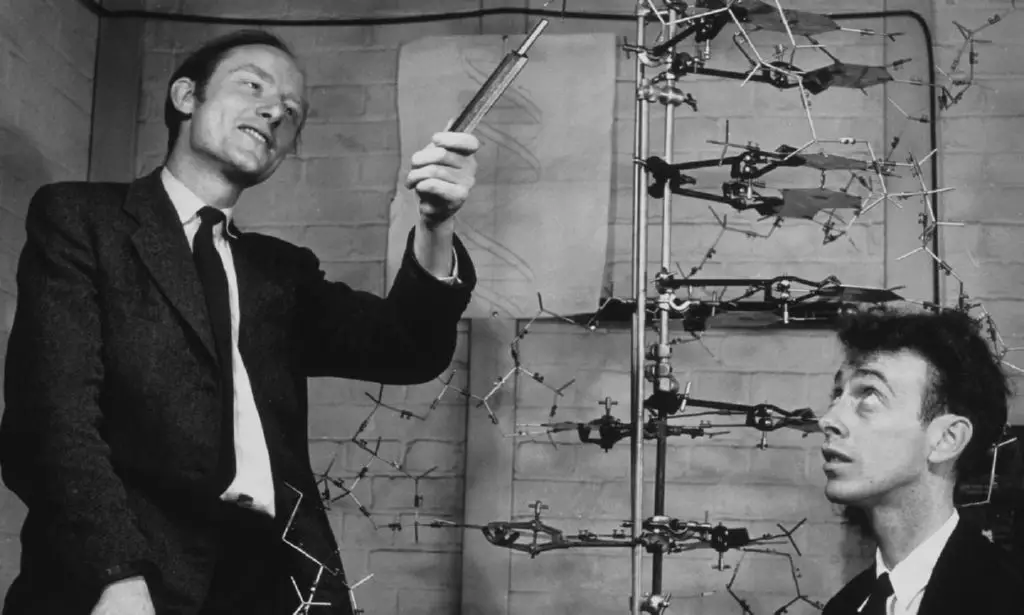
Meanwhile, the two researchers James Watson and Francis Crick at the University of Cambridge were working to establish a model of the structure of DNA, also drawing on Franklin's results. In 1953, they presented the double helix model of DNA, consisting of two intertwined strands that encode the genetic information of living organisms. Watson and Crick discovered that the basic units of the DNA molecule — the nucleotides — are linked in base pairs (adenine with thymine, and guanine with cytosine), creating a stable, helical structure. This simple yet brilliant insight revealed the fundamental mechanism of genetic inheritance.
The double helix model of DNA also explained how information is copied during every cell division, ensuring the accurate transmission of genetic material from generation to generation. The discovery published by Watson and Crick shook the entire global scientific community and paved the way for further research in molecular genetics. In 1962, Watson, Crick, and Maurice Wilkins — who had been Franklin's research colleague — were awarded the Nobel Prize for uncovering the structure of DNA, acknowledging the revolutionary significance of this discovery.
Rosalind Franklin, without whom this discovery could not have been made, sadly did not live to see the Nobel Prize awarded. Her work, however, has remained one of the cornerstones of DNA research ever since, reminding us that scientific achievements are often the product of the joint efforts of many researchers. The double helix model of Watson and Crick continues to form the foundation of genetic research to this day, and is indispensable for modern biology, medicine, and many other scientific fields.
The Development of Molecular Genetics: Understanding RNA, Protein Synthesis, and Gene Expression
With the discovery of the structure of DNA, a new question arose for the scientific community: how does this molecule function within cells? How does genetic information become a living organism, and how does the "transcription" of information take place at the cellular level? The answers to these questions emerged from research in molecular genetics, revealing how DNA determines the functioning and development of living organisms.
Research soon revealed that DNA does not directly control the workings of cells, but does so through an intermediate molecule, RNA (ribonucleic acid), which transmits genetic information toward protein synthesis. The process by which the information in DNA is "transcribed" into RNA was named transcription. RNA acts as a messenger in this process, carrying the genetic information to the ribosomes, where the information is then transformed into proteins.
This second step, in which RNA becomes protein, is called translation. Proteins are the main building blocks and functional agents of living organisms: as enzymes they regulate chemical reactions, as structural elements they build up cells, and they play a central role in every bodily process. During translation, the ribosomes link amino acids together in a defined order based on the information from the RNA, creating the proteins that determine the function of individual cells and tissues.
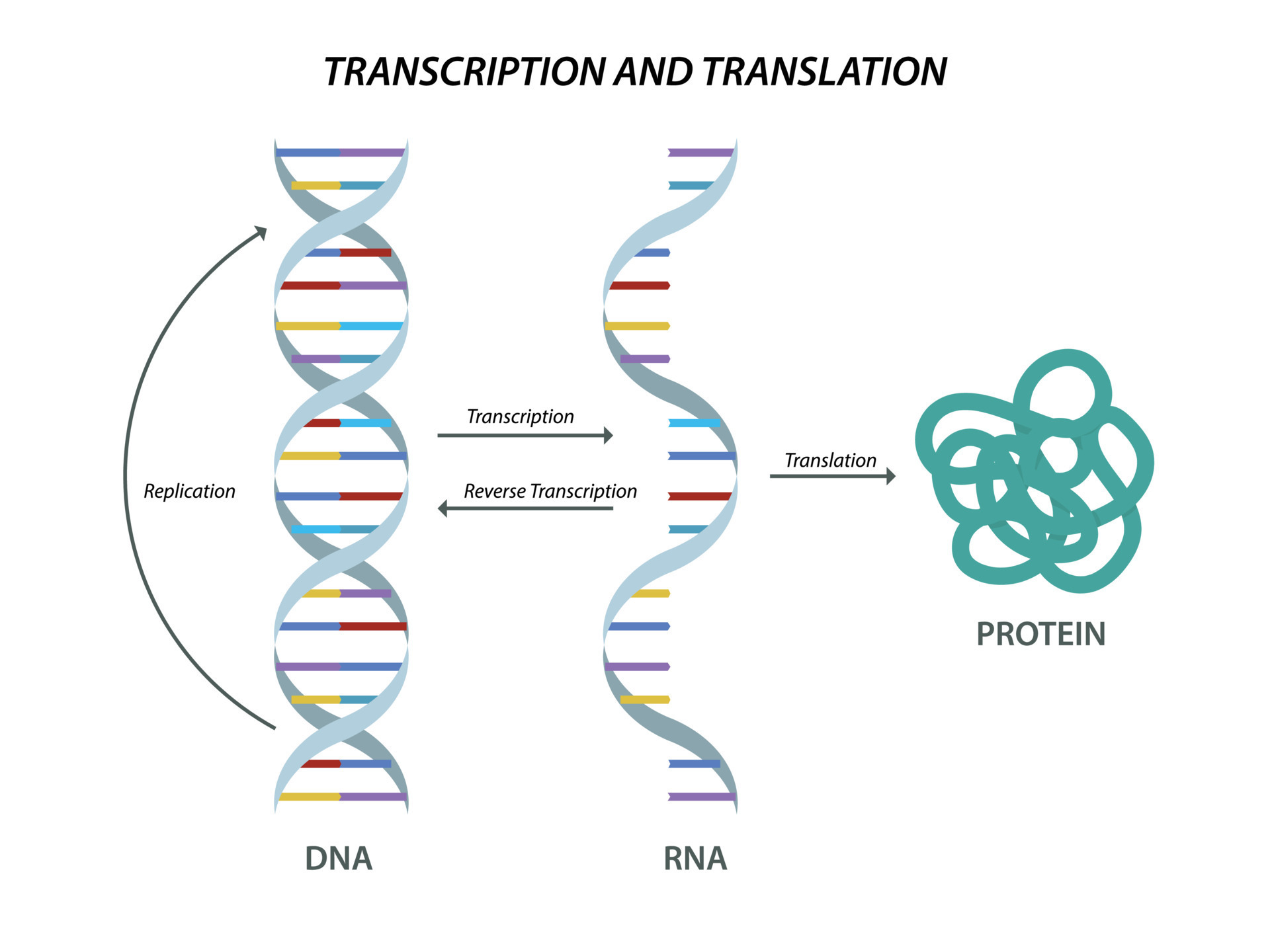
The discovery of transcription and translation was a milestone, as it made it possible to understand how the cell "reads" the genetic code, and how inherited traits develop. Researchers realized that the activation or "switching off" of individual genes regulates which proteins are produced at a given time. This phenomenon is called gene expression, and it is of fundamental importance for embryonic development, the maintenance of bodily functions, and the organism's ability to adapt.
These results from molecular genetics quickly transformed medicine as well. Scientists recognized that many diseases — such as cancer or inherited genetic disorders — are the consequences of faulty or improper gene expression. This discovery revolutionized therapeutic approaches and opened the way for targeted drugs and gene therapy interventions.
By understanding molecular genetics, scientists thus came to know not only the internal mechanisms of cells, but also the molecular-level regulation of life. As a result, it is now possible to intervene in the treatment of diseases at the level of the genes, and we have come closer to answering the fundamental questions about the emergence and development of life.
The First Genetic Code and Sequencing
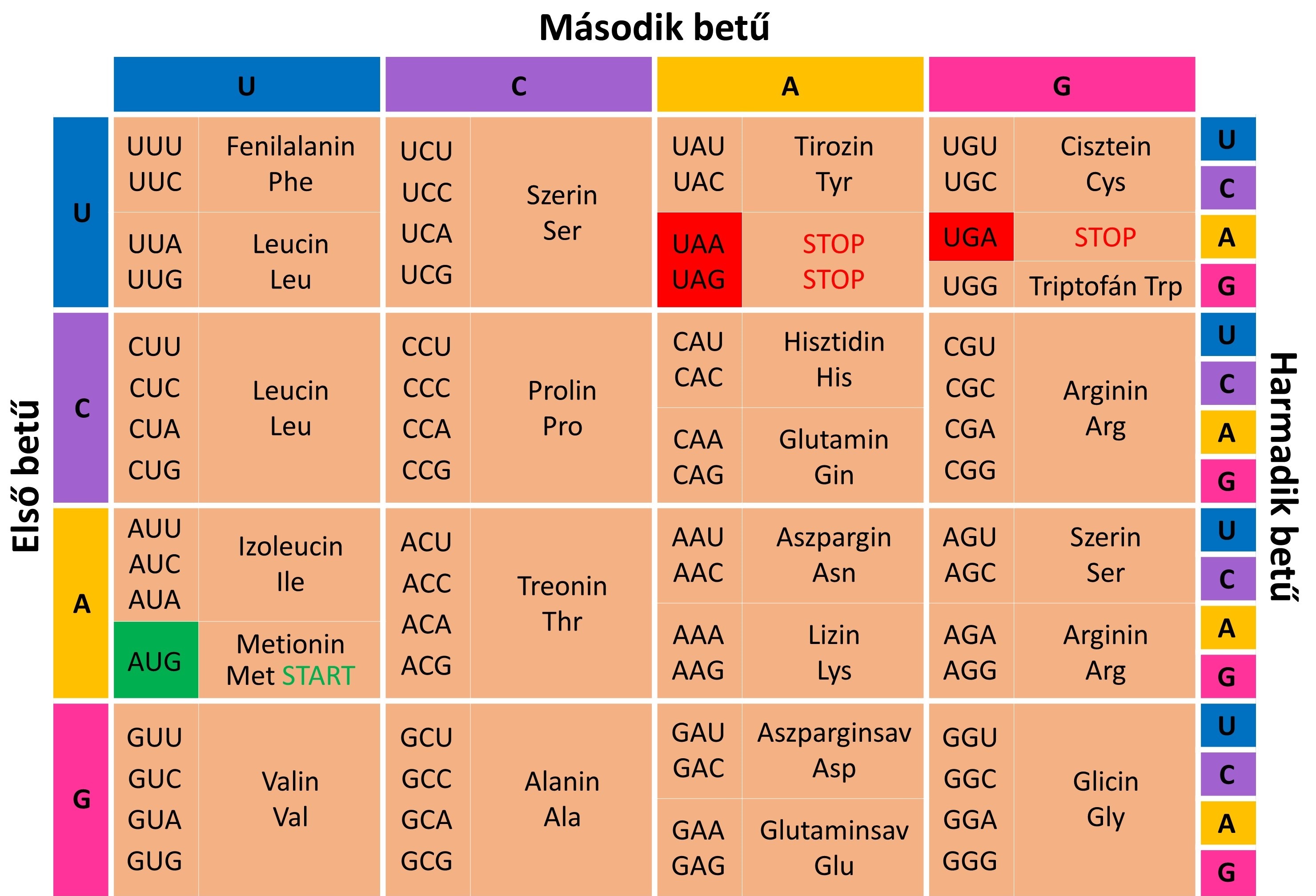
After the structure of DNA was understood, science faced a new challenge: how could the code that carries the genetic information stored in the DNA molecule be deciphered? The decoding of the genetic code took place in the 1960s and fundamentally changed humanity's biological knowledge. Scientists succeeded in revealing how the unique sequence of nucleotide base pairs in DNA determines the fundamental characteristics of living organisms, and how genetic information can be "translated" into amino acid sequences to become proteins.
Researchers, including Marshall Nirenberg, were the first to decode one of the genetic "words" in 1961 — a code consisting of three nucleotides (a triplet) that designated a single amino acid. Nirenberg and his colleagues demonstrated that each set of three base pairs — called a codon — encodes a specific amino acid, and thus directs protein synthesis. The proteins built from amino acids form the basis of every biological process, so these "words" govern life itself. The genetic material of living organisms therefore uses a "language" whose code — though it appears infinitely complex — has been successfully deciphered.
After the genetic code was uncovered, a new question arose: how could the entire DNA molecule be "read"? This process is called sequencing. The first DNA sequencing methods were developed in the 1970s, and these techniques enabled scientists to precisely determine the nucleotide order of individual DNA segments. The first major breakthrough is associated with the name of Frederick Sanger, who in 1977 developed the "chain-termination method," which allowed longer DNA sequences to be read quickly and with relative accuracy. Sanger's method, later known as Sanger sequencing, became a fundamental technique in DNA research, and by the late 1980s it was already being used on an increasing scale to map various genomes.
Sequencing technology has been continuously evolving ever since. In the early 1990s, the Human Genome Project was launched, with the aim of sequencing the entire human genome. Through this project, researchers completed the full map of human DNA by 2003, revealing the order of all the nucleotides in the human genome. This monumental undertaking opened up new possibilities not only for medicine, but also fundamentally changed humanity's view of itself.
The advances in sequencing technology have since made it possible to sequence DNA more and more quickly and cheaply, revolutionizing biotechnological and medical research. Today it is possible to sequence not only the human genome, but also the genomes of other organisms, bacteria, and viruses, allowing us to track evolutionary processes, the development of hereditary diseases, and genetic diversity. Sequencing technologies are now fundamental tools of modern genetic research, and are indispensable for personalized medicine, agriculture, and environmental science.
The Human Genome Project and the Beginning of a New Era
The complete mapping of the human genome began in the early 1990s as a bold and long-term scientific endeavor, which the world came to know as the Human Genome Project. The ambitious goal was to uncover and sequence all the nucleotides that make up human DNA — that is, the entire human genetic code. This project, carried out through international collaboration involving American, European, and Asian research centers, became one of the most comprehensive biotechnological undertakings in human history. By uncovering the genetic code, the aim was to gain a better understanding of the fundamental biological mechanisms of human development, inheritance, and disease.
The goal of the Human Genome Project was to identify the exact sequence and location of every human gene, and at the same time to determine the connections between genes and various physical and mental traits, as well as diseases. The project began in 1990 and was originally scheduled to last 15 years. However, thanks to rapidly advancing sequencing technologies, the project was completed in 2003 — two years ahead of the originally planned deadline. This vast database, containing the sequence of approximately three billion base pairs of human DNA, revolutionized biological and medical research and became the foundation of modern genetics.
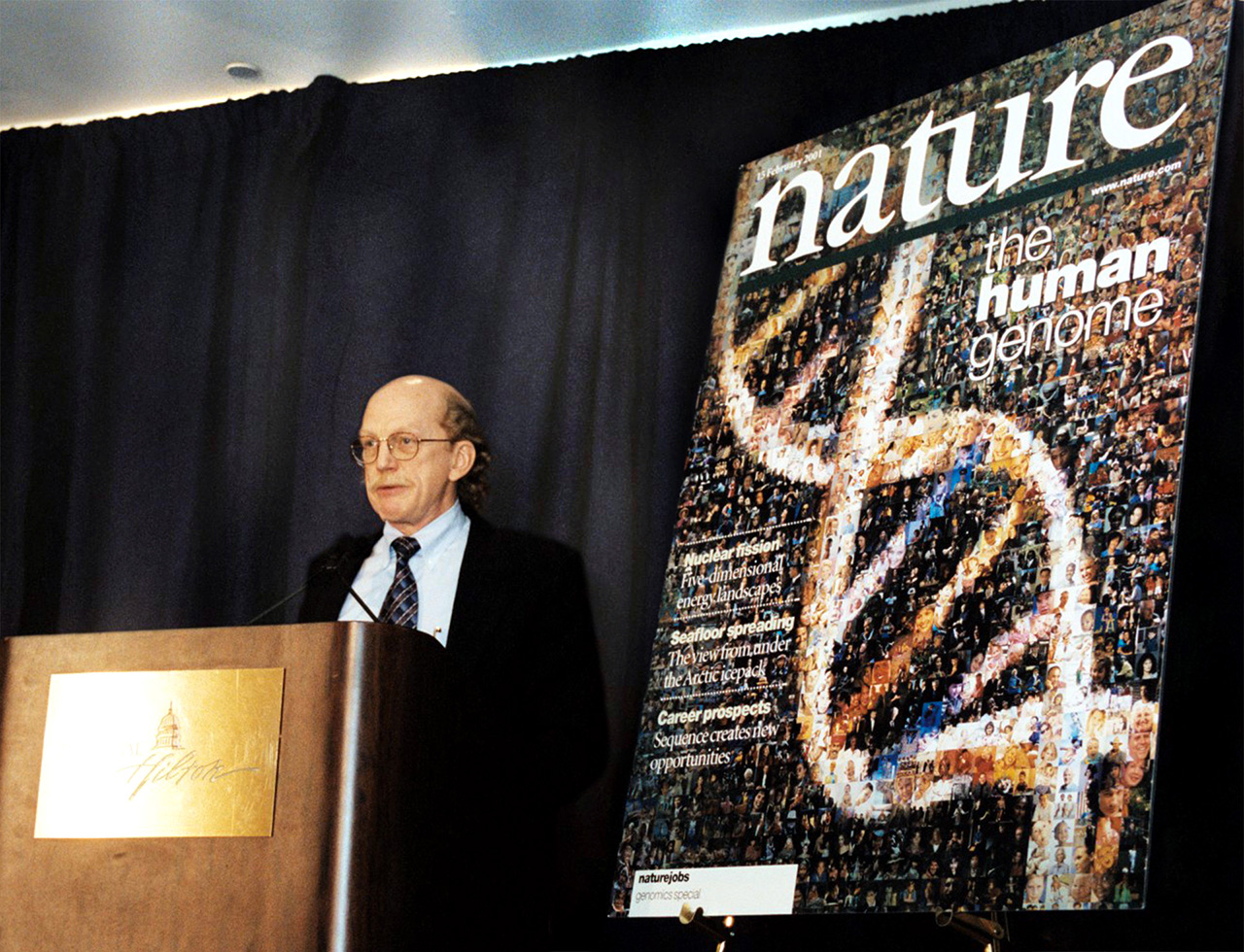
One of the greatest achievements of the Human Genome Project was that most of the human genome was placed on a gene map, providing the basis for various lines of genetic research. Through the detailed mapping of the human genetic code, scientists and physicians can identify the genetic mutations responsible for certain hereditary diseases, and can understand how genes contribute to the development of various conditions. The databases created as a result of the project have enabled medicine to recognize genetically based diseases more accurately and quickly, and to develop new treatment methods that target these genetic factors specifically.
The Human Genome Project also paved the way for personalized medicine, which places the individual's genetic characteristics at the center. The essence of personalized medicine is that treatment plans are tailored to the patient's unique genetic profile, which can result in greater effectiveness and fewer side effects — especially in the case of complex diseases such as cancer, diabetes, or heart disease. Through the analysis of genetic data, physicians can predict in advance the risk of diseases and the optimal therapies, representing a significant advance in the fields of prevention and treatment.
The Human Genome Project demonstrated that scientific research can bring enormous benefits, but at the same time it raised serious ethical questions. Access to genetic information and the use of such information raise numerous issues concerning the protection of personal data, genetic discrimination, and the preservation of human dignity. As humanity gains access to ever more information about its own genetic code, the question of how this data can be used responsibly and equitably becomes ever more urgent.
The completion of the Human Genome Project marks the beginning of a new era, in which genetics and genomics play a key role not only in understanding diseases, but also in gaining a deeper understanding of human life. With the sequencing and exploration of the human genome, science has come closer to finding answers to the mysteries of human development, aging, and a healthy life, opening up new perspectives for the future of medicine and biology.
Modern Genetic Research: CRISPR and Gene Editing
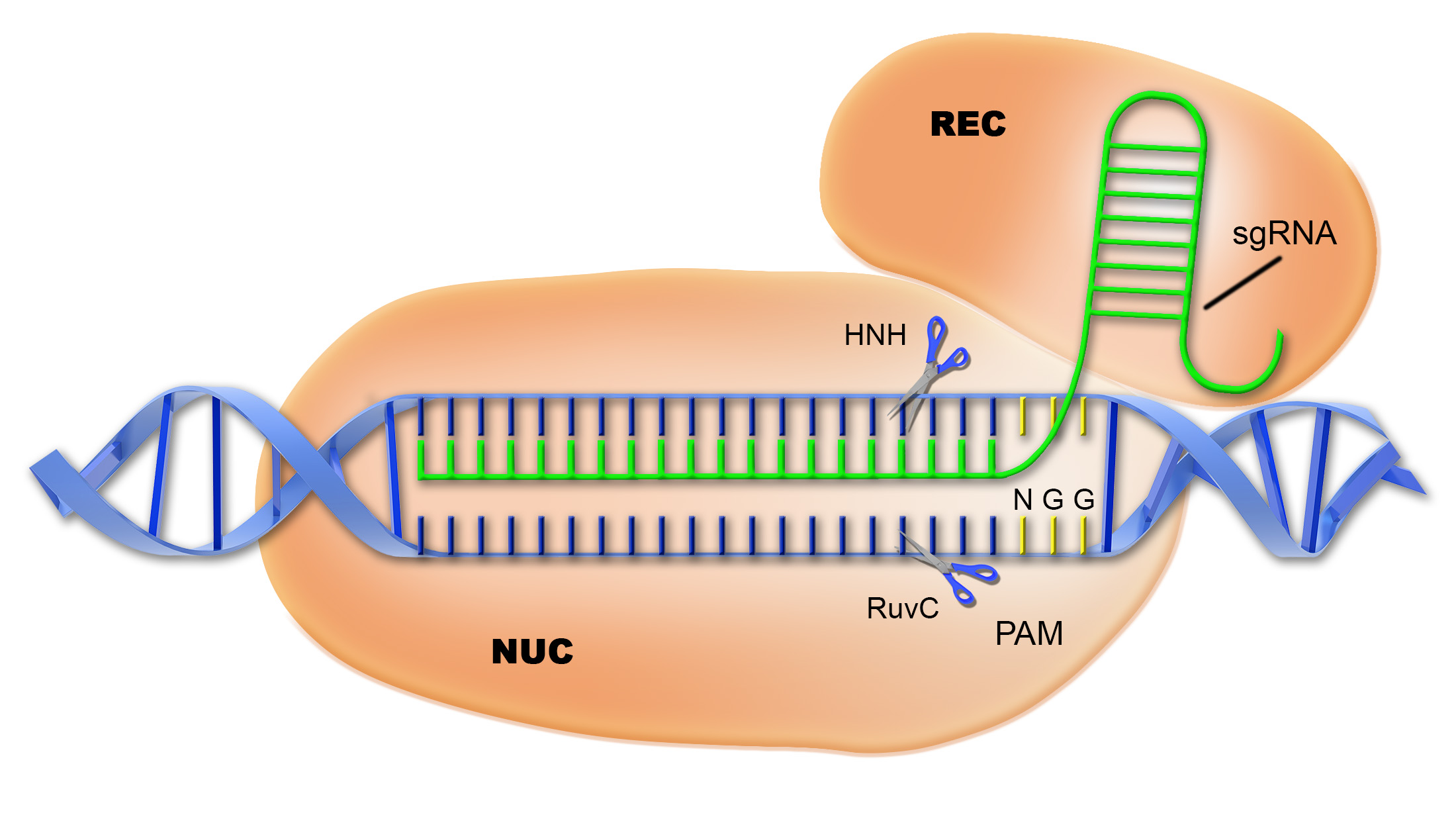
One of the most revolutionary developments in genetic research in recent decades has been the emergence of CRISPR technology, which makes it possible to modify DNA in a targeted and precise way. CRISPR (Clustered Regularly Interspaced Short Palindromic Repeats) was originally a natural defense mechanism found in bacteria, which recognizes and destroys the DNA of invading viruses. Researchers discovered that this system could be adapted and used as a tool capable of precisely locating and modifying desired genes in living cells. With this breakthrough, a new era opened in gene editing, since CRISPR offers the possibility of carrying out interventions in DNA with unprecedented precision and speed.
The CRISPR-Cas9 system, one of the most widespread forms of CRISPR technology, is capable of identifying a specific DNA segment and modifying its base pairs. The system uses a guide RNA, which "leads" the Cas9 enzyme to the precise location in the DNA. When the Cas9 enzyme arrives at the designated site, it cuts the double helix of the DNA, thereby creating an opportunity for the cell's repair mechanisms either to insert a new sequence or to remove an existing one. This procedure not only allows for the precise modification of DNA, but also makes it possible to create various genetic mutations, through which we can better understand the role and functioning of genes.
CRISPR technology offers enormous possibilities for medicine. Its application is particularly promising in the case of diseases caused by the mutation of a single gene, such as cystic fibrosis, sickle cell anemia, or certain hereditary forms of blindness. Through gene editing, it theoretically becomes possible to correct faulty genes, and thereby prevent the development of disease. Clinical trials are already underway today to assess the efficacy and safety of CRISPR therapies, so that in the future more and more genetic diseases may become treatable.
CRISPR technology, however, serves more than therapeutic purposes. It is also of great significance in agriculture, since it makes it possible to modify the genetic makeup of plants, resulting in higher-yielding, more resilient, and more nutritious plant varieties. CRISPR can also play a role in preserving ecological balance: for example, by modifying the genes of mosquitoes responsible for the spread of malaria, it becomes possible to halt the spread of infection.
However, the ethical questions raised by gene editing are unavoidable. The application of CRISPR technology to humans — particularly germline modification, where the changes can be inherited by future generations — has triggered serious debates in both the scientific community and society at large. Gene editing opens up the possibility that in the future "designed" children could be created, selected or modified based on certain traits. This raises the question: how far does humanity's right extend to intervene in the fundamental processes of nature? What social consequences would arise if it became possible to favor certain traits, or even "perfect" them?
The emergence of CRISPR marks the beginning of an era in which the boundaries of genetic intervention are continuously expanding, and science is faced with questions that have never needed to be answered before. While the possibilities of gene editing inspire enormous hope, they also demand responsibility: we must carefully consider where the line lies beyond which it would no longer be ethical to step.
Genetics Today: Applications and Future Possibilities
The science of genetics is now of fundamental importance in many areas of life, and plays an increasingly defining role in our daily lives as well. Thanks to modern technological developments, access to and analysis of genetic information has become faster and cheaper, opening up new horizons for medicine, agriculture, environmental protection, and law enforcement. Genetics has not only revolutionized the understanding and treatment of hereditary diseases, but also provides opportunities for personalized medicine, agricultural innovation, and even for exploring the great questions of life.
Personalized Medicine: Individual Treatments on a Genetic Basis
One of the most promising areas of application for genetics is personalized medicine, the essence of which is that treatment strategies are designed taking into account the individual's genetic profile. This is especially important in the case of diseases such as cancer or cardiovascular conditions, which can have a wide range of genetic factors in the background. Personalized medicine makes it possible to tailor treatments specifically, based on individual genetic characteristics, which can lead to greater effectiveness and fewer side effects.
Through the analysis of a genetic profile, physicians can determine in advance how a given drug will affect the patient's body, and treatment can thereby be optimized. Today there are already genetic tests that, for example in cases of cancer, help to determine which therapy may be the most effective, and which medications the patient may be sensitive or resistant to. This approach not only makes treatment more effective, but also offers opportunities for prevention, since genetic data also makes it possible to forecast the risk of future diseases.
Genetic Tests in Everyday Use: Paternity Tests and Hereditary Disease Screening
Genetic tests are no longer the privilege of scientific laboratories alone. Today, more and more people undergo genetic testing for a variety of purposes, such as verifying family relationships — for example, paternity tests — or assessing the risk of hereditary diseases. Paternity and ancestry tests allow people to better understand their family trees and genetic heritage, which can be particularly important for matters of identity, as well as for resolving legal inheritance and related questions.
Genetic screening for the detection of hereditary diseases is also becoming increasingly popular, especially among couples planning to have children. These tests can help to uncover potential genetic disorders, and enable parents to make well-informed decisions about the health of future generations. Genetic screening therefore provides valuable information not only for individuals, but for society as a whole, through which many hereditary diseases may become preventable.
Future Possibilities and Ethical Challenges
The future development of genetics promises almost limitless possibilities, but at the same time raises serious ethical questions. As gene editing technologies become ever more effective, the question arises of how far we may intervene in the fundamental processes of life. Through genetic modification and CRISPR technology, humans may become capable of making fundamental changes to their own genetic makeup and to the heritage of future generations.
The possibility of heritable genetic modification is particularly divisive, since through it we can intervene in the natural processes of evolution. The issues of "designed" humans and gene-based discrimination provoke serious social and ethical debates. As science and technology uncover more and more genetic information, the responsibility surrounding how we use that information also grows ever greater.
Genetics today is therefore not only one of the main driving forces of scientific progress, but also has a fundamental impact on our lives, our health, our nutrition, and the future of our planet. The new knowledge revealed by genetic research is continuously expanding our horizons, but at the same time it also reminds us that we must use the power placed in our hands with responsibility and an ethical mindset, in order to ensure a better and more sustainable future for humanity.
Closing Thoughts
Genetic research is pushing the boundaries of human knowledge, revealing the fundamental secrets of how life works and opening up new possibilities for medicine, biology, agriculture, and society. From the discovery of the structure of DNA to CRISPR technology and personalized medicine, the development of genetics has made it possible to understand not only the inner workings of living organisms, but has also offered practical solutions for many problems that humanity has long struggled with.
The 1953 discovery of the structure of DNA revolutionized the biological sciences, and placed in humanity's hands a body of knowledge that helps us to understand and resolve the causes of hereditary diseases, genetic disorders, and many other health issues. With the development of genetics, the treatment of an increasing number of diseases — such as cancer, diabetes, or neurodegenerative conditions — has become more effective. Thanks to new therapeutic possibilities, today we are not only able to treat diseases of genetic origin, but are increasingly able to prevent their development.
Genetic research not only enriches our current knowledge, but also shows us the way forward toward our future. Through the possibilities of personalized medicine and genetic screening, we can envision a world in which therapies tailored to individuals' genetic profiles can be applied, and the development of many diseases prevented.
Nevertheless, the rapid development of genetic research also presents new challenges. As genetic technologies advance, the question of their ethical and responsible use becomes ever more important. Access to genetic information, the possibilities of gene editing, and the prediction of hereditary diseases raise serious questions regarding the protection of privacy, genetic discrimination, and the preservation of human dignity.
Overall, genetic research represents both an enormous opportunity and a great responsibility for humanity. The new knowledge revealed by science brings us closer to understanding the deepest workings of nature, and can help us create a healthier, more sustainable, and more just world. In the years ahead, the development of genetics will continue to be one of the most important scientific fields for humanity, and its responsible application can have a profound impact on the future of our planet and human society.